How to Create a Memorable Fictional Character?
What makes a character unforgettable is neither their looks nor their role in the plot, but the depth of their psychology. Audiences don't connect with flawless, one-dimensional figures: they fall for people full of contradictions, pushed into impossible moral dilemmas and forced to make hard choices under pressure.
Giving Your Character Depth
A memorable character is never fully predictable. They have strengths, flaws, contradictions, and sometimes traits that flat-out contradict each other — that complexity is what makes them feel like a real human being instead of a role in a story.
The Art of Character Through Nine Iconic Figures
Nothing beats studying characters who have marked entire generations of viewers. Here's what makes each of them so hard to forget:

Tyrion Lannister
Game of Thrones
Rejected by his own family and scorned for his physical condition, he turned that trauma into an intellectual shield — sharp and cynical on the surface, desperately craving love and recognition underneath.

Sandor Clegane, "The Hound"
Game of Thrones
Branded by his brother's cruelty, he holds a deep contempt for the hypocrisy of chivalry. Beneath his brutal, nihilistic front, his suppressed moral compass resurfaces through his stoic protection of Arya Stark.
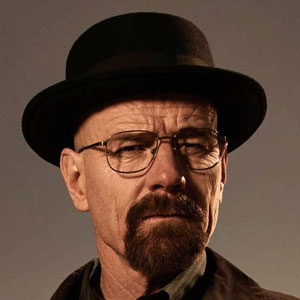
Walter White
Breaking Bad
A brilliant mind eaten away by resentment and professional failure. His cancer diagnosis blows past his moral guardrails: his obsession with control and outsized pride lead him to justify the worst monstrosities in the name of family love.

Arthur Fleck
Joker
A broken man, stripped of social empathy and fighting severe mental illness. Society's relentless rejection turns his private distress into a total break from reality — and into liberating violence.
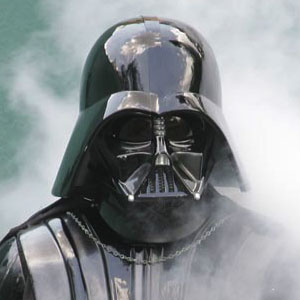
Anakin Skywalker
Star Wars
Driven by a visceral fear of losing the people he loves, he develops a growing obsession with control that leads to his own downfall. Behind Darth Vader's cold mask, the man he once was still lingers, torn between love, guilt, and the desire for redemption.

Hans Landa
Inglourious Basterds
Exquisitely polite and utterly devoid of ideology or passionate hatred, his danger comes from pure, opportunistic rationality: for him, hunting humans is just an intellectual, narcissistic game of chess.

Thanos
Avengers
Convinced he's the only reasonable adult in a universe blind to its own doom, he acts without hatred or gratuitous cruelty. His madness lies in his total emotional detachment and his conviction that he's carrying out a necessary, messianic sacrifice.
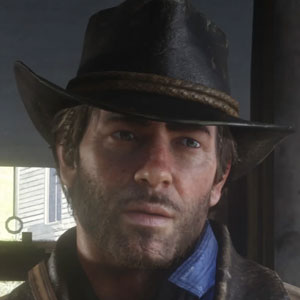
Arthur Morgan
Red Dead Redemption 2
An outlaw shaped by violence and blind loyalty to his gang, suddenly confronted with his own mortality — a psychological arc marked by the weight of regret and a poignant search for redemption.
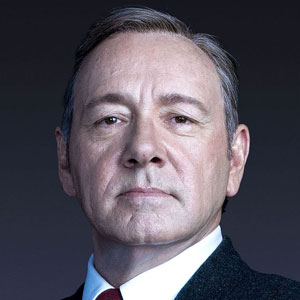
Frank Underwood
House of Cards
A strategist driven by devouring ambition and total contempt for democratic rules. His thinking answers to a pursuit of pure power, where every human interaction is used as a lever for manipulation.
Three Keys to Structuring a Deep Psychology
-
1
Identify Their Emotional Wound
A past event that shaped their worldview, their fears, or the way they act.
-
2
Create an Inner Contradiction
Pit their values, desires, and actions against each other to create real psychological conflict.
-
3
Build Their Character Arc
Decide how this psychology will evolve over the course of the story — toward redemption, downfall, or transformation.
Building Your Characters on Weetit
Capturing this psychological depth takes a dedicated space, not a stray sticky note:
Embed Psychology in Your Character Sheets
Capture your protagonists' fears, deepest desires, and contradictions in your character sheets.
Check Your Sheets While You Write
Keep an eye on your characters' moral compass in the editor to keep their choices consistent.
Centralize Your Inspirations in Your Notes
Jot down psychological profiles or real-life anecdotes in your notes space before building your cast.